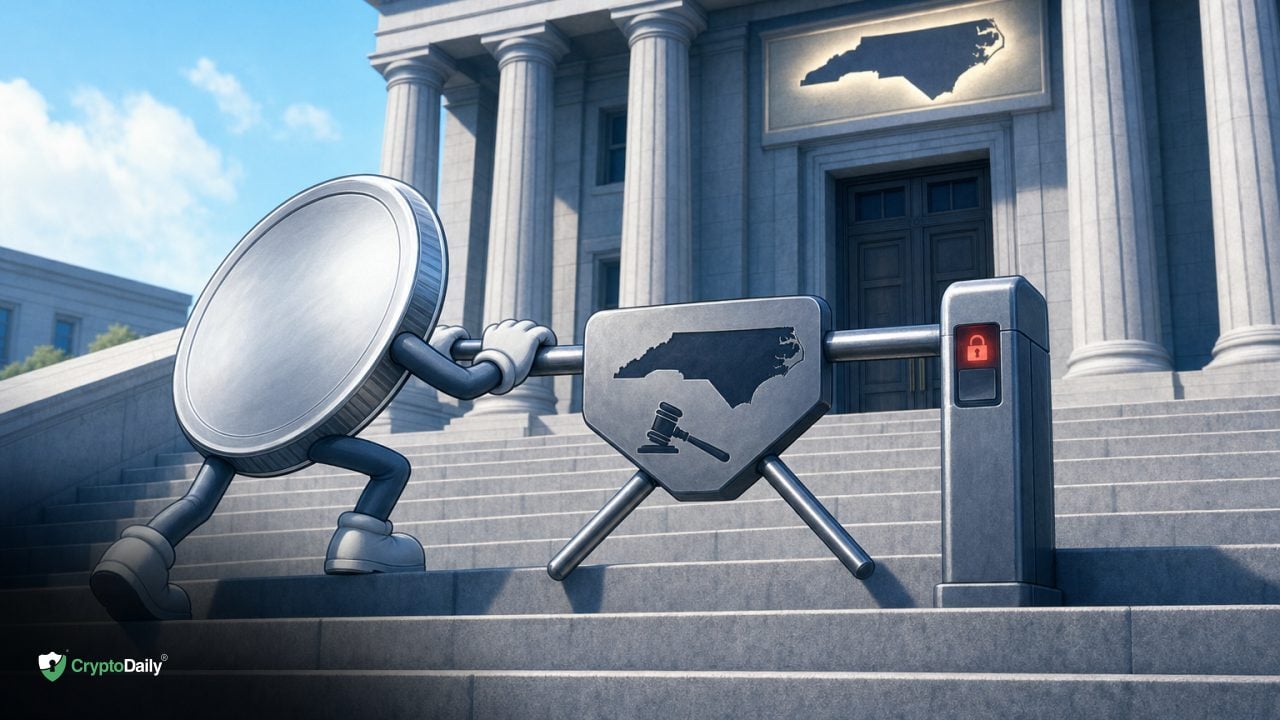
North Carolina just turned the prediction market debate from internet chatter into line items. The new state budget package would authorize prediction markets and tax operators at 6% of net trading-fee revenue, with revenue kicking in Jan. 1 if the bill becomes law. That is a real policy lever, not a think piece.
For Kalshi, a federally regulated event-contract exchange, this is a state-level legitimacy test. Can a budget that recognizes and taxes the business finally give onshore prediction markets a clean foothold in a Southern state? Or do unresolved questions around election markets and product scope keep the brakes on?
If you are a trader, founder, or compliance lead trying to map next steps, here is the practical read on what this budget likely means, where the risk lines still sit, and how to prepare without stepping on rakes.
AspectWhat to Know Status Budget sent to Gov. Josh Stein. It would authorize prediction markets and tax net trading-fee revenue at 6%, with revenue taxed starting Jan. 1 if signed (Axios Raleigh). Tax Design 6% on operators’ net revenue, no licensing fee spelled out for operators in the package (NC Newsline). Scope Signals Language singles out prediction markets and notes sports contract trading. The 6% rate applies to operators offering sports contract trading, effective in January (Covers). Election Betting Context As of June 2026, election betting is categorized as entirely illegal in North Carolina under existing law (Pew Research Center). The budget does not clearly overturn that on its face. Who Owes Tax Operators, not individual traders, owe the 6% on net fees. Traders still owe standard income taxes on gains where applicable. Expect operator pass-through via fees or spreads. Timeline If signed, operator tax collections begin Jan. 1. Product onboarding and compliance clarifications may lag the signature by weeks or months. Implication for Kalshi Clearer state recognition and a tax framework in NC provide ground cover. Product mix still needs to track state prohibitions and any CFTC restrictions.
Core concepts behind the North Carolina budget move
Editor's note: In Q2 2026 I kept a small book on event contracts tied to macro data and noticed liquidity get patchy around settlement windows, especially when platforms tweaked fee schedules. A couple of desks I talk with started modeling state-level tax pass-throughs into their expected value, assuming another point or two of cost in certain markets. The North Carolina budget fits that direction of travel. If the tax hits Jan. 1, I expect tighter listings for NC users and more visible fee changes. None of this kills edge, but it does punish sloppy entries and poor rulebook hygiene. — Elliot Veynor
Prediction markets are places where people trade contracts on whether something will happen. Think outcomes like a monthly CPI print finishing within a range, a policy passing by a date, or a team reaching a season win total. Prices reflect the crowd’s odds. If there is enough liquidity and integrity, you get a living forecast that updates in real time.
Kalshi sits in the regulated bucket. It is a CFTC-regulated exchange for event contracts. That is a different universe from fully on-chain markets where users trade tokens that represent events. State budgets do not change federal oversight, but they do matter for state tax treatment, consumer rules, and the menu of allowed markets for residents.
What North Carolina’s budget signals is simple. Lawmakers want to recognize prediction markets, put them inside the regulatory perimeter, and tax the operators’ net fees at 6% starting Jan. 1 if the package becomes law, per reporting from Axios Raleigh, NC Newsline, and Covers. The line about sports contract trading clarifies that sports-flavored event contracts are within scope for the tax, but it does not by itself greenlight every possible non-sports market.
Election markets are the thorniest line item. Pew’s June 2026 map says North Carolina was entirely illegal for election betting under then-current law. A budget can authorize and tax prediction markets in general, but whether that includes election-specific contracts is a separate question for lawyers and regulators, and could still be off limits for residents until expressly permitted or clarified (Pew Research Center).
Quick glossary for this space
- Net trading-fee revenue The fees an operator collects from users minus certain allowed costs. North Carolina’s 6% tax targets this number, not user profits.
- Operator The platform running the market, such as a registered exchange. Operators handle listing, rulebooks, custody, and settlement.
- Sports contract trading Event contracts tied to sports outcomes, like season totals or milestones. The NC budget explicitly references this when applying the 6% rate.
- Event contract A derivative that pays out if a real-world event occurs. In the US, these may fall under CFTC oversight depending on design and subject matter.
- Election betting restriction State or federal rules that limit or prohibit contracts tied to electoral outcomes, separate from other prediction markets.
- KYC/AML Identity checks and monitoring that regulated platforms must do. Expect tighter onboarding if NC residents come into scope.
Step-by-step playbook
- Track the signature and rulemaking Wait for the governor’s decision, then watch for any follow-up guidance that clarifies what markets are in or out. Coverage points to Jan. 1 tax start if signed, but product scope may need agency memos.
- Pick a venue that matches your risk tolerance Regulated exchanges like Kalshi prioritize compliance and clearer settlement. On-chain markets can be faster moving but bring custody and legal uncertainty for NC residents.
- Read each market’s rulebook Every contract has edge cases. Settlement sources, tie-breakers, and deadlines matter more than headlines. Misreads cost money.
- Budget for fees and potential pass-through Operators owe a 6% tax on net fees in NC if the law kicks in. Expect pricing tweaks or higher take rates to cover it. Build that into your expected value math.
- Set up tax tracking from day one Keep trade logs, PnL summaries, and 1099s if issued. User gains are taxed separately from the operator tax.
- Respect election lines North Carolina was categorized as entirely illegal for election betting as of June 2026. Do not assume the budget overrides that witho…