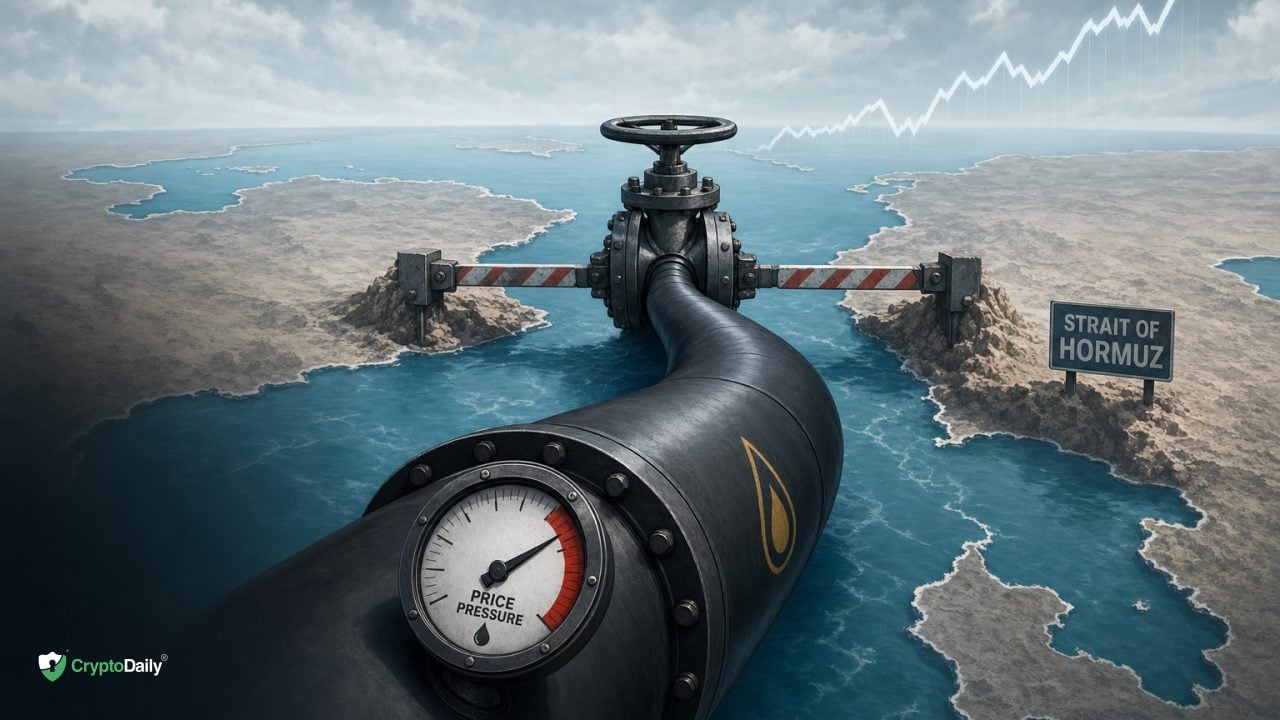
Oil just grabbed the steering wheel again. One weekend of headlines out of the Strait of Hormuz, and suddenly everyone who was trading chips and AI multiples is back to watching Brent ticks and gasoline spreads.
This isn’t the 1970s, but energy shocks still punch through growth stocks, inflation expectations, and rate paths. The timing is awkward too, with equities priced for immaculate disinflation and a clean landing.
Let’s walk through what changed, how it filters into the S&P 500, what to watch in the next few weeks, and where the trapdoors sit if this escalates.
Point Details New Hormuz flashpoint U.S. forces struck Iranian targets on July 7 after attacks on commercial vessels, raising fresh supply risk in a critical oil chokepoint Al‑Monitor. Policy shift on Iranian oil U.S. Treasury revoked a general licence for Iranian crude sales following tanker strikes, with a wind‑down period reported July 8 bne IntelliNews. Oil reprices fast Brent settled up about 3% on July 7, then pushed near $78 the next day as truce doubts mounted MarketScreener, StreetInsider. Equities wobble S&P 500 fell about 0.45% on July 7 as higher oil and chip weakness hit risk appetite MarketScreener. Inflation risk repricing Energy shocks lift headline CPI and can leak into core via transport and goods costs, pushing out rate cut timelines.
What just happened in Hormuz
The short version: tensions jumped. U.S. Central Command said American forces carried out strikes on July 7 in response to Iranian attacks on three commercial vessels moving through the Strait of Hormuz Al‑Monitor. Washington then yanked a general licence that had allowed certain Iranian crude sales, setting a wind‑down period and tightening the screws on barrels that had been slipping through bne IntelliNews.
Futures didn’t wait. Brent settled up $2.17 on July 7 to $74.16, with WTI up $1.89 to $70.44 as traders marked up supply risk MarketScreener. Then the move extended the next morning, with Brent touching about $77.98 after renewed escalation headlines questioned any truce narrative StreetInsider.
Stocks flinched. The S&P 500 closed down roughly 0.45% on July 7 to 7,503.85, with chip names leading the slip and oil’s jump doing the rest MarketScreener. It was a reminder that AI multiples still live inside a macro world where fuel costs and freight premiums matter.
How an energy jolt filters into inflation
Energy rolls through inflation in layers. First, headline CPI reacts quickly to gasoline and heating fuel. Gasoline alone is typically a mid single digit share of CPI by weight, so a meaningful pump price move can bend the monthly print even if core is behaving.
Then there’s the second round. Higher diesel and jet fuel feed into freight, airfares, and delivery costs. That stuff bleeds into goods prices with a lag. If companies see higher input costs and feel they have pricing power, they try to pass some of it through. If demand is soft, they eat margin instead. The mix is cyclical.
Monetary policy cares more about core, but central banks also know headline can reset consumer expectations. A few hot months of headline prints can nudge 1-year inflation expectations higher, which can complicate the case for quick rate cuts.
Put bluntly: a fast oil spike at a time when markets are positioned for clean disinflation increases the odds of a stickier path. That doesn’t mean the Fed hikes. It can simply mean cuts are slower or fewer, which is enough to move equities.
What the equity tape is pricing right now
Breakevens, reals, and multiples
Equity valuations have been floating on a mix of soft-landing growth and easing financial conditions. If oil drags breakeven inflation higher, and real yields hold firm or push up, the duration trade in growth stocks gets harder. You see it in days like July 7, where semis lag while energy and defensives catch a bid.
Curves and leadership
A sticky inflation scare tends to flatten front-end expectations for cuts. The curve can steepen out the back if growth fears set in. That stew usually rotates leadership toward energy, utilities, some quality value, and away from high duration tech. It doesn’t erase AI capex, it just right-sizes the multiple while cash flows get discounted at a slightly higher real rate.
Liquidity and vol
Oil shocks can lift cross-asset volatility quickly. Watch skew in energy ETFs, vol of vol in equity index options, and liquidity pockets thinning in small caps. These are the days when a shallow book makes moves look bigger than they are. If you trade with stops, give yourself breathing room or define risk with options so a wick doesn’t knock you out.
Who wins, who loses on the S&P 500
Group Sensitivity to oil shock Why Energy producers & services Positive Higher realized prices, tighter supply, potential margin expansion if costs lag. Midstream & storage Mixed to positive Volumes and storage spreads can improve if backwardation steepens, but outages can cap flows. Airlines, shippers, logistics Negative Jet and diesel costs jump; war risk premiums and insurance add-ons pinch margins. Chemicals & industrials Negative Feedstock costs rise, pricing power varies by cycle; margins can compress. Consumer discretionary Negative Fuel eats into household wallets, especially for lower income cohorts. High duration tech Negative via rates Valuation multiples wobble if breakevens rise and real yields firm. Utilities Defensive bid Can act as bond proxies when growth and inflation risks hit at once.
Pro tip: If you want energy exposure without single-name risk, compare ETF mixes. XLE is mega-cap integrateds, XOP tilts to producers, OIH leans services. Their sensitivity to spot vs. activity cycles is not the same.
Positioning ideas with defined risk
Not advice. It’s a menu. Size to your plan and be aware of leverage.
- Look at call spreads on energy ETFs. If oil keeps squeezing and equities chop, vertical call spreads in XLE or XOP can express upside without paying top-of-book implied vol.
- Think about collars on broad equity exposure. Own stock or SPY? A short-dated put spread financed by an out-of-the-money call can soften a shocky week without selling the position.
- Breakeven expressions. TIPS breakevens tend to widen when oil pops. Some traders …